
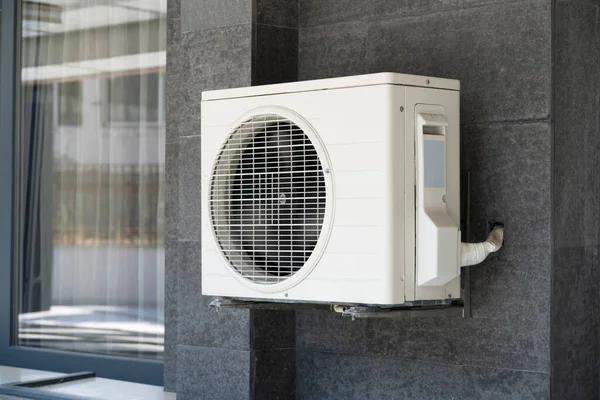
Mini split air conditioning systems have become increasingly popular as an energy-efficient solution for cooling residential and commercial spaces. Unlike traditional central air conditioning units, mini splits operate without ductwork, which often leads to significant energy savings. This design allows them to deliver cooled air directly into individual rooms or zones, minimizing the loss of conditioned air that typically occurs in ducted systems. As a result, users can enjoy tailored comfort while reducing overall electricity consumption.
One of the key advantages of mini split ACs is their ability to provide zone-specific temperature control. Each indoor unit can be adjusted independently according to the preferences and needs of occupants in different areas. This feature not only enhances comfort but also prevents unnecessary cooling in unoccupied rooms, further improving energy efficiency. Additionally, many models come equipped with advanced inverter technology that adjusts compressor speed dynamically based on cooling demand rather than cycling on and off at fixed intervals like conventional units. This continuous modulation reduces power surges and contributes to lower utility bills.
Installation flexibility is another benefit that makes mini splits attractive for various settings. Since they do not require extensive ductwork, these systems are ideal for homes without existing ducts or buildings where adding ducts would be impractical or costly. The compact outdoor unit connects via refrigerant lines to one or more indoor air handlers mounted on walls or ceilings, making installation less invasive and faster compared to traditional HVAC setups.
Energy efficiency ratings such as SEER (Seasonal Energy Efficiency Ratio) are generally higher for Mini Split AC systems compared to older central ACs due to their modern components and optimized operation methods. Many manufacturers also offer ENERGY STAR certified models designed specifically with sustainability in mind. These units incorporate features like programmable timers, sleep modes, and smart thermostats that allow users greater control over operation schedules and temperatures remotely through mobile apps.
Moreover, mini splits contribute positively by reducing greenhouse gas emissions associated with excessive electricity use from inefficient cooling methods. Their refrigerants have evolved over time as well; newer models utilize environmentally friendlier options that minimize ozone depletion potential while maintaining effective heat transfer properties.
In summary, choosing a mini split air conditioning system offers a practical way to achieve efficient cooling tailored precisely to user requirements while lowering energy consumption and environmental impact. With flexible installation options alongside advanced technology focused on performance optimization, these solutions represent a forward-thinking approach for those seeking cost-effective climate control without compromising comfort or sustainability goals.