
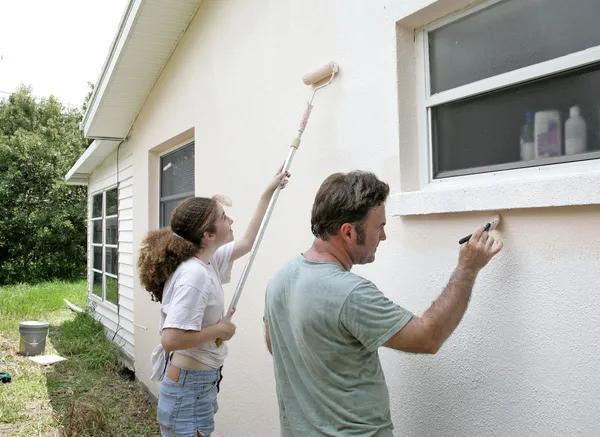
Embarking on an office painting project can be a transformative endeavor, breathing new life into the workspace and boosting employee morale. Achieving a smooth and successful outcome hinges on selecting the right materials and timing the project effectively. By focusing on these critical aspects, you can ensure minimal disruption to daily operations while achieving a professional finish.
Choosing appropriate materials is paramount for any painting project. Begin by selecting high-quality paints that are durable and suitable for commercial environments. Opting for low-VOC (volatile organic compounds) paints is advisable as they emit fewer toxins, contributing to healthier indoor air quality—a crucial consideration in an office setting where employees spend significant amounts of time.
In addition to paint, investing in top-notch brushes and rollers is essential. High-quality tools provide better coverage and a smoother finish, reducing view the website likelihood of unsightly streaks or uneven layers. For larger office spaces, consider using sprayers which can expedite the process without compromising on quality.
Surface preparation is another critical factor in ensuring a flawless paint job. Before applying any paint, thoroughly clean walls to remove dust, grime, or grease that could affect adhesion. Patching holes or imperfections with filler creates an even surface ready for priming. Applying primer is particularly important when covering dark colors or transitioning from glossy surfaces; it enhances paint adherence and ensures uniform color application.
Timing plays an equally vital role in minimizing disruptions during an office painting project. Ideally, schedule painting during off-hours such as weekends or holidays when employees are not present—this minimizes interruptions to workflow and allows sufficient drying time before normal activities resume.
Consider seasonal factors when planning your project timeline; periods of moderate temperatures with low humidity levels are optimal for faster drying times and reduced risk of moisture-related issues like bubbling or peeling paint.
Communication with staff about upcoming changes is crucial; providing advance notice allows them to prepare accordingly by securing sensitive equipment or files that might need protection during the process.
Furthermore, coordinating with professional painters who have experience in commercial projects can significantly streamline operations—they bring expertise not only in execution but also in advising on color schemes that align with company branding while fostering productivity-enhancing environments.
Finally, allocate ample time post-painting for ventilation—open windows if possible—to allow lingering odors from fresh paintwork to dissipate fully before employees return.
By meticulously selecting materials suited for commercial settings alongside strategic scheduling considerations tailored around business operations’ unique rhythms—you set yourself up not just for aesthetic success but also operational continuity throughout this rejuvenating transformation journey within your workplace environment.