In today’s fast-paced healthcare environment, efficiency and effective communication are paramount to delivering high-quality patient care. One of the critical components that contribute to streamlining healthcare workflows is the implementation of advanced nurse call systems. These systems not only facilitate timely communication between patients and healthcare providers but also play a significant role in optimizing staff responsiveness, reducing delays, and enhancing overall operational efficiency.
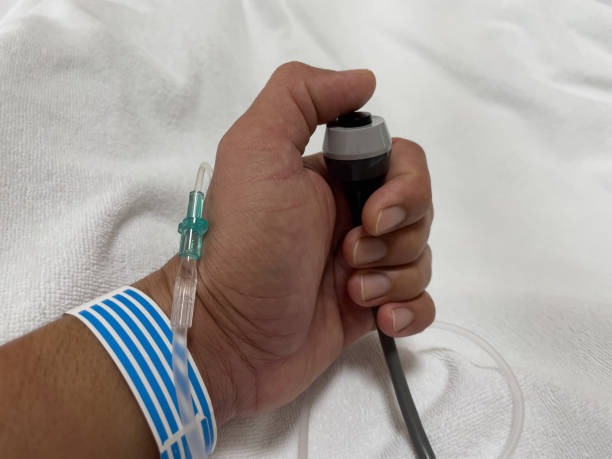
Nurse call systems serve as a vital communication bridge within hospitals, clinics, and other healthcare facilities. Traditionally, these systems allowed patients to alert nurses by pressing a button, but modern nurse call technologies have evolved to incorporate intelligent features such as real-time alerts, mobile notifications, and integration with electronic health records (EHR). This evolution enables nurses and healthcare staff to prioritize tasks based on urgency, location, and patient needs, ultimately improving response times and patient satisfaction.
One significant advantage of using nurse call systems is their ability to reduce unnecessary nurse visits to patient rooms. For example, some systems allow patients to specify the nature of their request, such as pain medication, assistance with mobility, or bathroom needs. This categorization helps nursing staff to prepare adequately before attending to the patient, saving time and resources while ensuring that patients receive the appropriate care promptly.
Moreover, nurse call systems contribute to better staff allocation and workload management. By providing real-time data on patient requests and nurse availability, hospital administrators can make informed decisions about staffing levels, shift scheduling, and task distribution. This data-driven approach not only improves staff productivity but also reduces burnout by balancing workloads more effectively.
Integration with other healthcare technologies further enhances the impact of nurse call systems on healthcare workflows. For instance, linking nurse call alerts with mobile devices or pagers ensures that nurses receive notifications wherever they are, minimizing response delays. Additionally, integrating these systems with patient monitoring devices allows for automatic alerts in emergencies, enabling swift interventions that can save lives.
In conclusion, improving healthcare workflows using nurse call systems is a strategic approach that benefits both patients and healthcare providers. By facilitating efficient communication, prioritizing patient needs, and enabling better resource management, nurse call technologies help create a safer, more responsive, and patient-centered healthcare environment. As healthcare demands continue to grow, adopting advanced nurse call solutions is essential for institutions aiming to enhance operational efficiency and deliver superior patient care.