
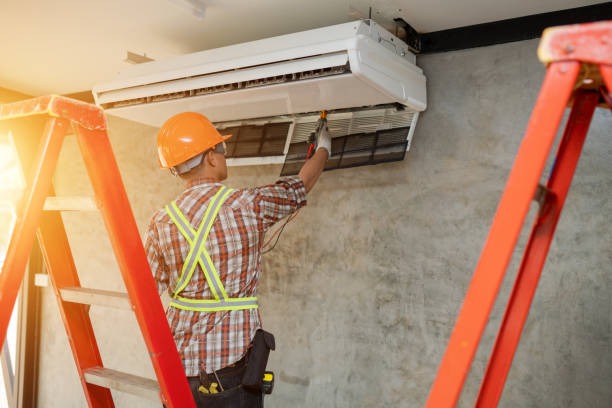
Installing and testing a new heating and cooling system is a meticulous process that requires skilled technicians to ensure optimal performance and safety. The process begins with a thorough assessment of the property to determine the appropriate system size and type based on the building’s layout, insulation, and specific heating and cooling needs. This initial evaluation is crucial to guarantee energy efficiency and comfort once the system is operational.
Once the system specifications are finalized, technicians proceed to remove any existing equipment, carefully dismantling old units to prevent damage to the property. Following removal, they prepare the installation site check here by cleaning and making any necessary structural adjustments to accommodate the new system components. Proper placement of the indoor and outdoor units is essential to maximize airflow and accessibility for future maintenance.
The next step involves installing the core components of the heating and cooling system. This includes mounting the furnace or heat pump, installing the air handler, and connecting the ductwork or refrigerant lines. Technicians ensure that all connections are secure and insulated to prevent energy loss. Electrical wiring is then configured according to manufacturer guidelines and local safety codes, connecting thermostats, control panels, and other system accessories.
After the physical installation, technicians focus on testing the system to verify its functionality. They begin by checking refrigerant levels and ensuring that there are no leaks in the refrigerant lines. Airflow is measured and adjusted to meet design specifications, and the system is powered on to observe its operation across different modes, including heating, cooling, and fan settings. This comprehensive testing helps identify any mechanical or electrical issues that might affect performance.
Technicians also calibrate the thermostat and control systems to ensure accurate temperature regulation and user-friendly operation. They assess the system’s response times and adjust settings to optimize comfort and efficiency. Safety checks are conducted to confirm that all components function within safe parameters, including verifying that pressure switches, limit controls, and safety shutoffs are working correctly.
Finally, the technicians provide the property owner with detailed instructions on system operation and maintenance, highlighting the importance of regular filter changes and seasonal inspections. Documentation of the installation and testing procedures is completed, including warranty information and service schedules. By following these comprehensive steps, technicians ensure that the new heating and cooling system delivers reliable, efficient, and safe climate control for years to come.