
Installing an air conditioning system is a significant investment that can greatly improve indoor comfort, but achieving maximum efficiency requires careful planning and execution. The first step in ensuring optimal performance is selecting the right size unit for your space. An air conditioner that is too small will struggle to cool effectively, running continuously and driving up energy costs. Conversely, an oversized unit will cycle on and off frequently, causing wear and inefficiency. Consulting with a professional who can perform a load calculation based on room dimensions, insulation quality, window placement, and local climate conditions helps identify the appropriate capacity.
Proper placement of the outdoor condenser unit plays a crucial role in efficiency. It should be installed in a shaded area away from direct sunlight to prevent overheating while maintaining adequate clearance around it for unobstructed airflow. Avoid locations near heat sources such as exhaust vents or reflective surfaces that increase ambient temperature around the unit. Inside the home, positioning the indoor air handler or evaporator coil centrally allows for even distribution of cooled air throughout living spaces.
Sealing ductwork thoroughly prevents loss of conditioned air before it reaches rooms. Leaky ducts force the system to work harder to maintain desired temperatures and find answers here reduce overall cooling effectiveness. Using mastic sealant or metal tape instead of standard duct tape ensures long-lasting airtight connections at joints and seams.
Insulating refrigerant lines connecting outdoor and indoor components minimizes thermal losses during cooling cycles. Proper insulation keeps chilled refrigerant cold until it reaches the evaporator coil inside your home, improving energy efficiency by reducing compressor workload.
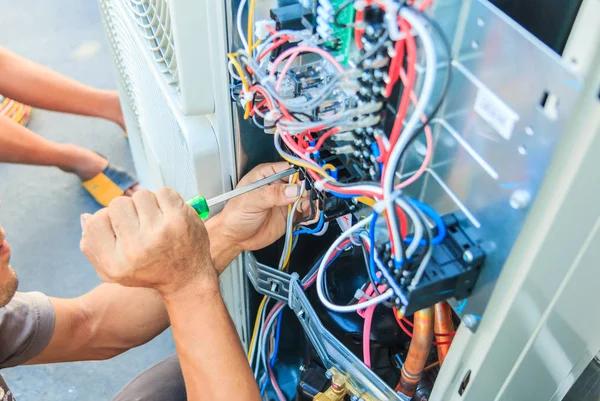
During installation, ensure electrical wiring complies with local codes and supports necessary voltage requirements without overloading circuits; this safeguards both safety and system reliability.
After installation completion, scheduling a thorough system check confirms correct refrigerant charge levels are maintained since improper charging diminishes cooling capacity while increasing power consumption.
Regular maintenance following installation sustains peak performance over time through cleaning filters regularly to avoid restricted airflow which forces equipment strain leading to premature failure.
By carefully considering these factors during installation-correct sizing based on accurate calculations; strategic component placement promoting airflow; sealing ducts tightly; insulating refrigerant lines properly; adhering to electrical standards; verifying refrigerant charges-you maximize your new air conditioner’s efficiency resulting in lower utility bills alongside enhanced comfort year-round without sacrificing durability or function under heavy use conditions common during hot seasons when reliable cooling matters most indoors for health as well as convenience purposes alike.