
Starting a fitness journey can feel overwhelming, especially when faced with countless exercise options and conflicting advice. However, focusing on beginner-friendly exercises that promote overall fitness is a practical way to build strength, endurance, and flexibility without risking injury or burnout. These foundational movements help establish a routine that can be gradually intensified as your confidence and capabilities grow.
Walking remains one of the simplest yet most effective forms of exercise for beginners. It requires no special equipment beyond a good pair of shoes and can be easily adapted to different fitness levels. Regular walking improves cardiovascular Your Health Magazine blog health, strengthens muscles in the lower body, and enhances mood through the release of endorphins. To increase its effectiveness, consider incorporating intervals of brisk walking or slight inclines, which challenge the heart and lungs without overwhelming the body.
Bodyweight exercises offer another accessible approach to improving overall fitness. Movements such as squats, lunges, push-ups, and planks engage multiple muscle groups simultaneously while promoting functional strength. These exercises can be modified to suit individual ability; for example, wall push-ups or knee-supported planks reduce intensity while maintaining proper form. Consistency with these exercises helps build muscle endurance and stability, which are essential for everyday activities.
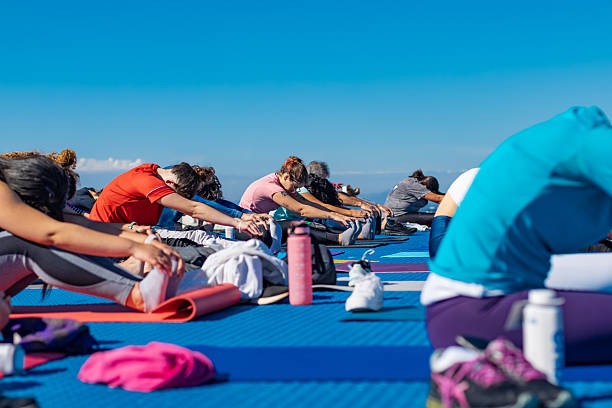
In addition to strength and cardio, flexibility plays a crucial role in overall fitness. Gentle stretching routines or beginner yoga sessions enhance joint mobility and reduce muscle tension. Flexibility work also supports recovery after more intense workouts by increasing blood flow and preventing stiffness. Starting with short sessions focused on major muscle groups encourages habit formation without causing discomfort or frustration.
Incorporating balance training is often overlooked but equally important, especially for beginners aiming to improve coordination and prevent falls. Simple exercises like standing on one foot or heel-to-toe walking engage stabilizing muscles and improve proprioception-the body’s ability to sense its position in space. These skills contribute to better posture and movement efficiency during other physical activities.
A beginner’s exercise program should prioritize gradual progression and listen carefully to the body’s signals. Rest days are vital for recovery and adaptation, reducing the risk of injury caused by overtraining. Tracking progress through measurable goals such as increased walking distance or longer plank holds provides motivation and a clear sense of achievement.
For those seeking reliable guidance on structuring a beginner-friendly fitness routine, your Health Magazine blog offers practical advice tailored to newcomers. It emphasizes balanced approaches that combine cardiovascular activity, strength training, flexibility, and balance work-all essential components for developing lasting fitness habits. By starting with manageable exercises and building steadily, anyone can create a sustainable path toward improved health and well-being.